

Four months into building Shift AI and I can finally feel us climbing out. When we launched, everything was momentum. New brand, new event, people paying attention. The energy that comes with a public start carried us through the first few months in a way that made the work feel easier than it probably was.
Then June hit.
Deals stalled. Someone on my team started asking whether we should continue past October. Some days I asked myself the same thing.
I've been through enough company building to know what this feeling is. But knowing what it is doesn't make it any easier to live through.

The Dunning-Kruger effect is usually talked about in the context of overconfidence, the moment early in learning something when you know just enough to think you know most of it. But there's a less discussed flip side that I think is more relevant to founders, and it's the valley that follows. You've moved past the initial peak of confidence, you now understand enough to see how much you don't know, and the gap between where you are and where you need to be feels widest precisely when you have the least energy to close it.
This is the point where most people stop. Not because the business is actually failing, but because the emotional signal and the rational signal are pointing in opposite directions. The rational case for continuing might be solid. The emotional experience is that everything is harder than expected, the early wins feel distant, and the people around you are starting to ask questions you don't have clean answers to.
Co-founders quit here. Early team members leave. Investors get quiet. The social proof that felt abundant at launch has faded, and you're left with the raw question of whether the thing you're building is actually going to work.
The honest answer in most cases is that you don't know yet.
The valley of despair is not a place where the evidence is clear. It's a place where the evidence is ambiguous and your confidence is at its lowest. Which means the decision to continue or stop is being made in the worst possible conditions for that decision.
What kept us going was simpler than I'd like it to sound. We kept making calls, sending proposals, doing the work. Not because we were certain it would turn, but because stopping felt like the wrong answer even on the days when continuing felt hard.
The other week we had our best week since launching. Five deals closed. Tickets moving. AWS came inbound off the back of content we'd put out weeks earlier. The line is finally pointing in the right direction.
There will be more dips. Building anything real means going through this more than once, and the later valleys are often harder because the stakes are higher and the team is bigger. But right now we're past this one, and I wanted to write it down while the valley was still visible in the rearview mirror.
If you're in it right now, the work you're doing in the dip is the work that compounds later. It doesn't feel that way from inside it. But the people who make it through are usually the ones who kept going when stopping felt rational.
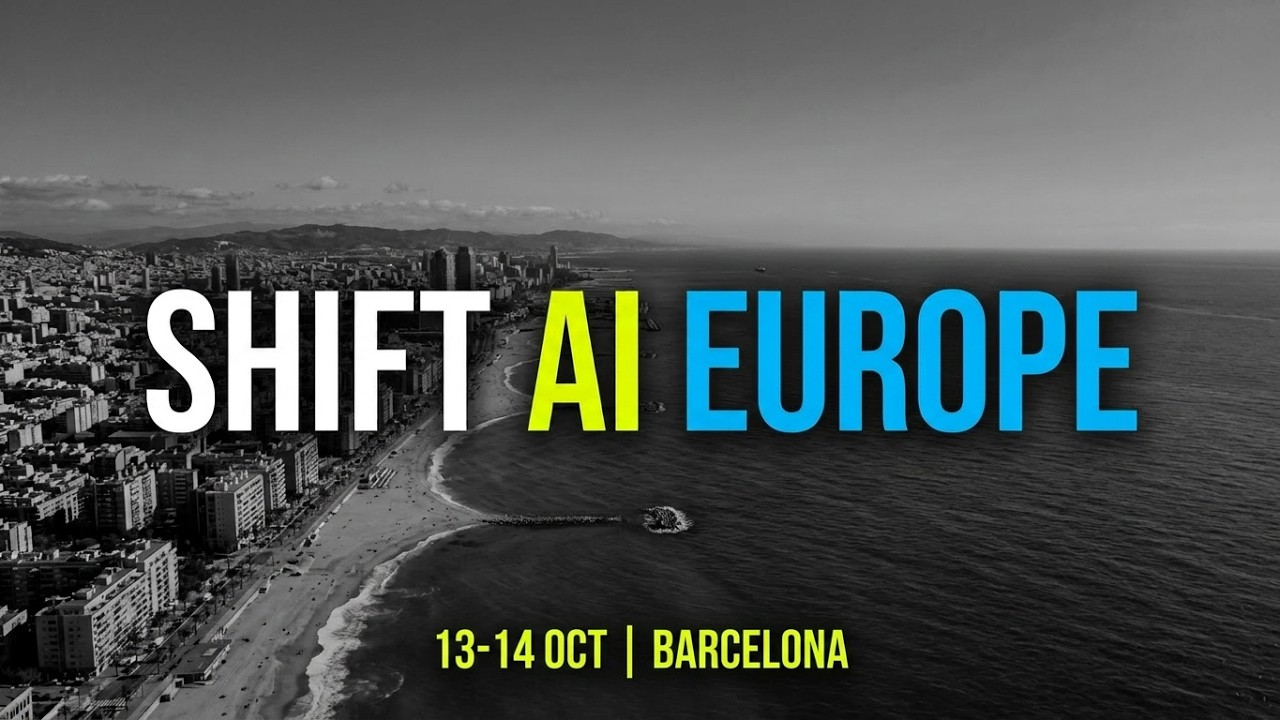
Barcelona, 13-14 October. What the best software companies in Europe are actually doing, not what they say in press releases.
Tickets at europe.shiftai.events.
Alex
Founder, Shift AI
P.S. Our newsletter audience gets 20% off tickets to Shift AI Europe this October. Reply to me and I’ll send you your discount code.
The Shift · Published every Tuesday · shiftai.events
You're receiving this because you subscribed. Unsubscribe any time.